
I ove godine učenici naše škole sudjelovali su u međunarodnom projektu International Bookmark Exchange Project 2025 https://www.iasl-online.org/International-Bookmark-Exchange-Project-2025. Svake godine ovaj projekt organizira Međunarodna udruga školskih knjižnica (IASL) tijekom Međunarodnog mjeseca školskih knjižnica.
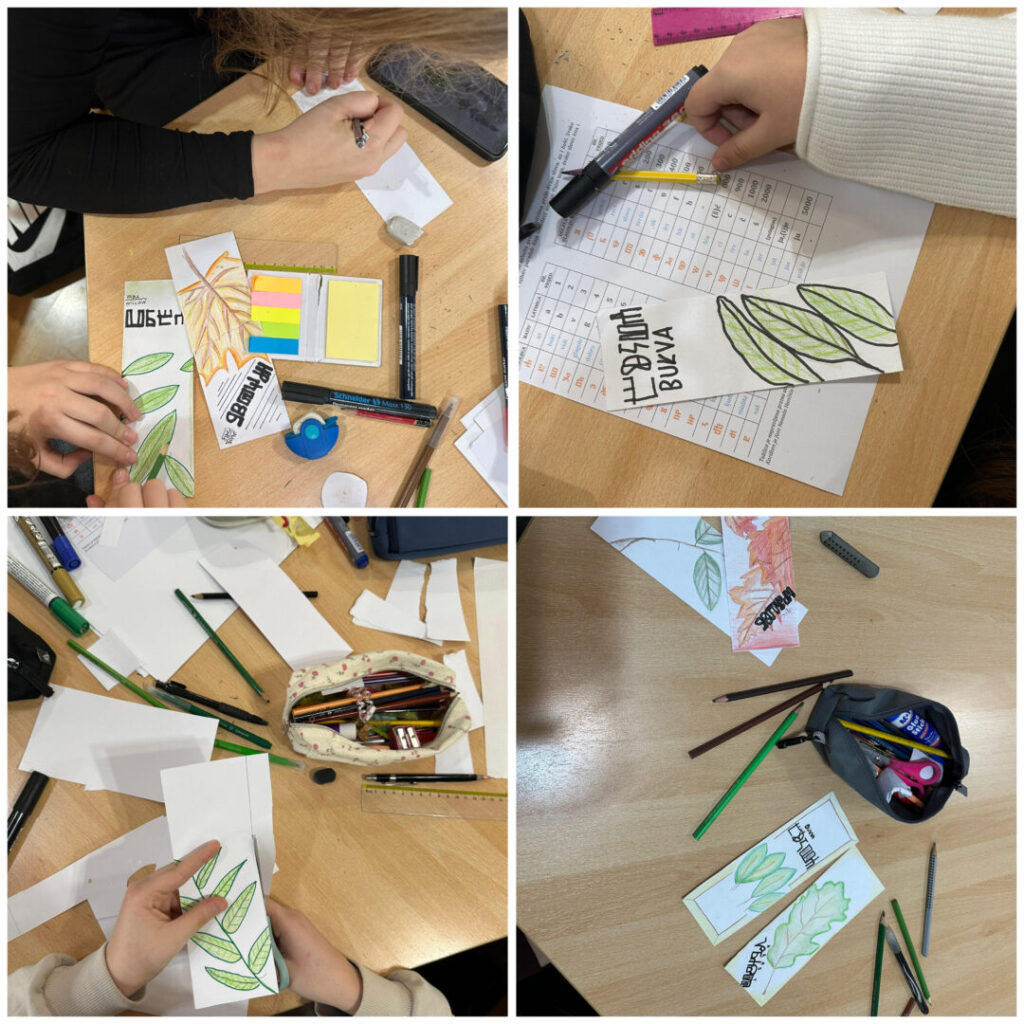
Učenici osmišljavaju i izrađuju straničnike te ih razmjenjuju s nekom školom/knjižnicom u svijetu. U projektu sudjeluju učenice Glagoljaške skupine OŠ Banija koje na taj način populariziraju pismo glagoljicu. Ove godine škola partner je iz Portugala https://espf.edu.pt/ , a sve o njihovoj školi i regiji u kojoj žive saznali smo iz popratnog pisma koje smo i mi poslali njima. Naši straničnici oslikani su listovima drveća koje raste oko nas, a njihovi nazivi napisani su na glagoljici, te hrvatskom i engleskom jeziku. Tako smo predstavili mali dio biološke raznolikosti našega kraja, našu školu, ali i glagoljicu, prvo pismo kojim su Hrvati bilježili svoj materinski jezik.
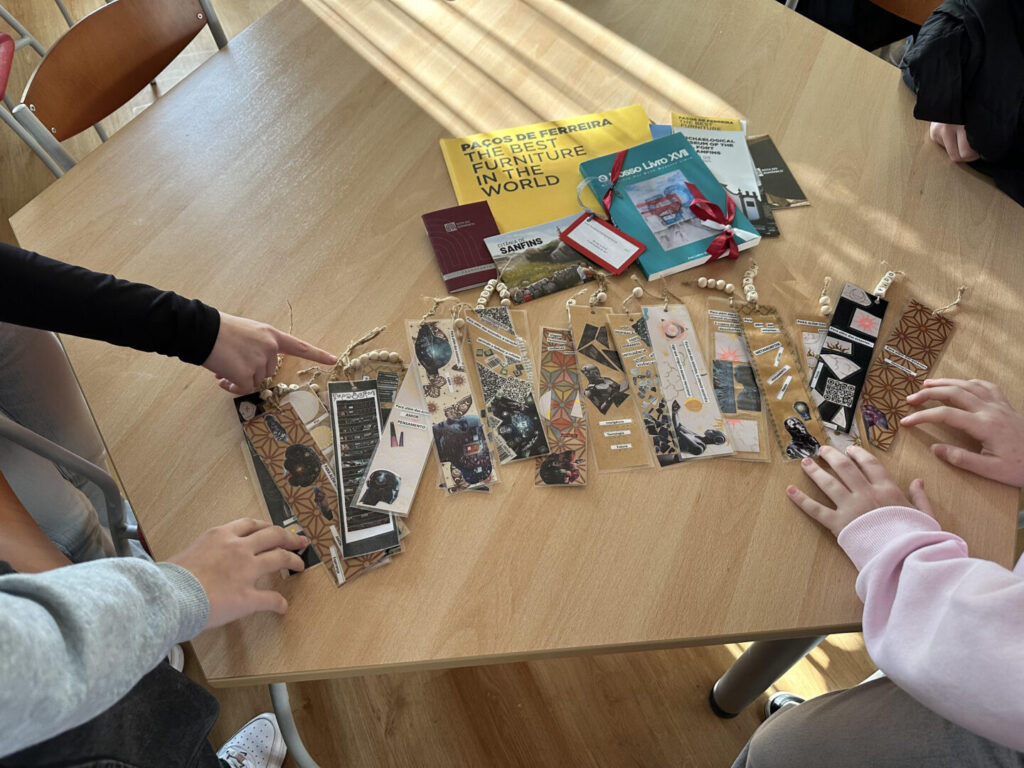
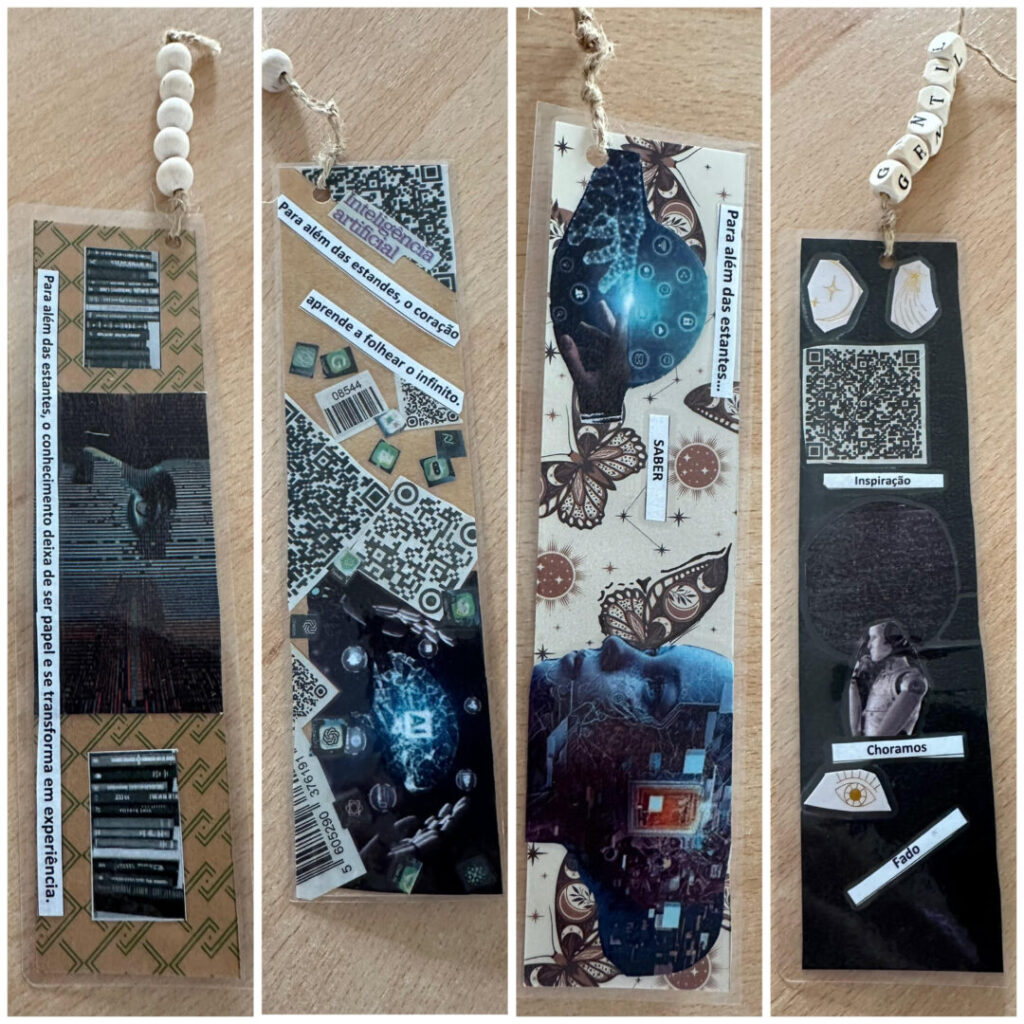
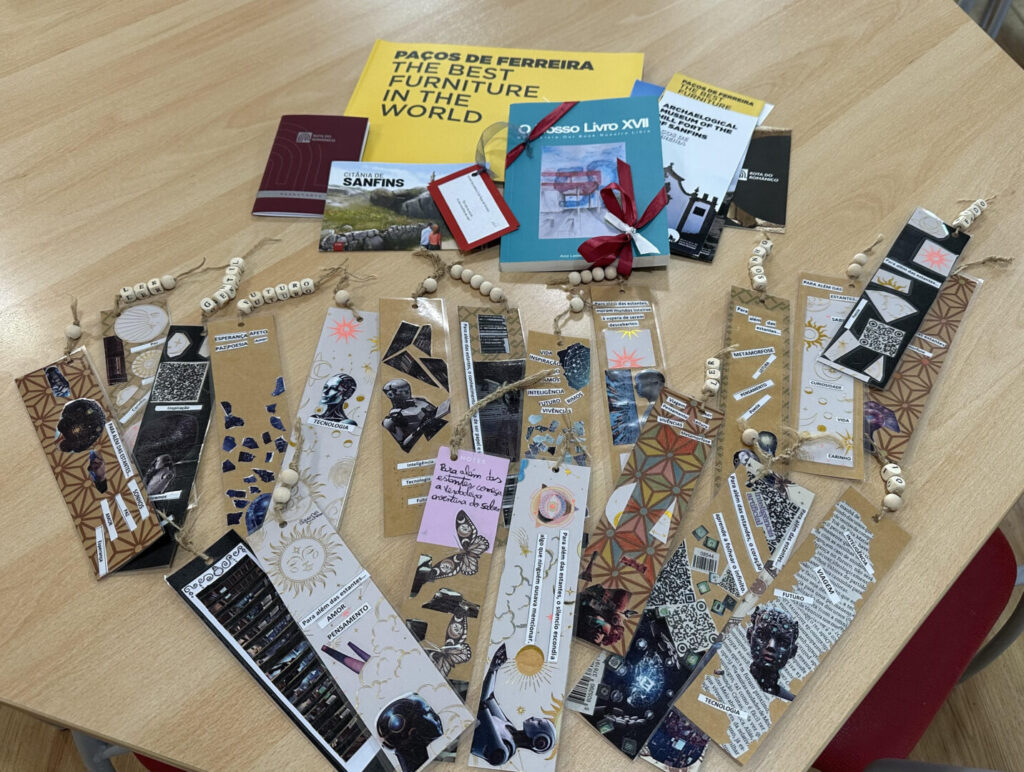
Dear friends,
greetings from Elementary School Banija https://os-banija-ka.skole.hr/. Our school is located in the central part of Croatia in the town called Karlovac. It is well known for the beautiful four river which flow through the town: Kupa, Korana, Dobra and Mrežnica. There are 400 students which attend our school from grade 1 to grade 8.
Our group is called the Glagolitic Group. We regularly participate in this project and try to promote the Glagolitic script. Glagolitic is the oldest Slavic script and, along with Cyrillic, is one of the two Slavic scripts. Glagolitic is the first script used by Croats to record their mother tongue as early as the 10/11th century. That is why we write in Glagolitic on our bookmarkers.
This year we decorated them with drawings of the leaves of trees that grow in Croatia. We wrote their names in Glagolitic, Croatian and English.
We hope you will like them and we are eagerly waiting for your bookmarkers.
Greetings from Karlovac from the Glagolitic Group!
Each Glagolitic letter has a name. According to the names of the first two letters (az and buki), we speak of the Glagolitic azbuka (alphabet) in the same way as we speak of the Latin and Greek alphabets. Letters not only denote sounds, but also have a numerical value. When a Glagolitic letter indicated a number, the symbol ~ appeared above it and dots were placed around it.
Characteristics and names of Glagolitic letters: